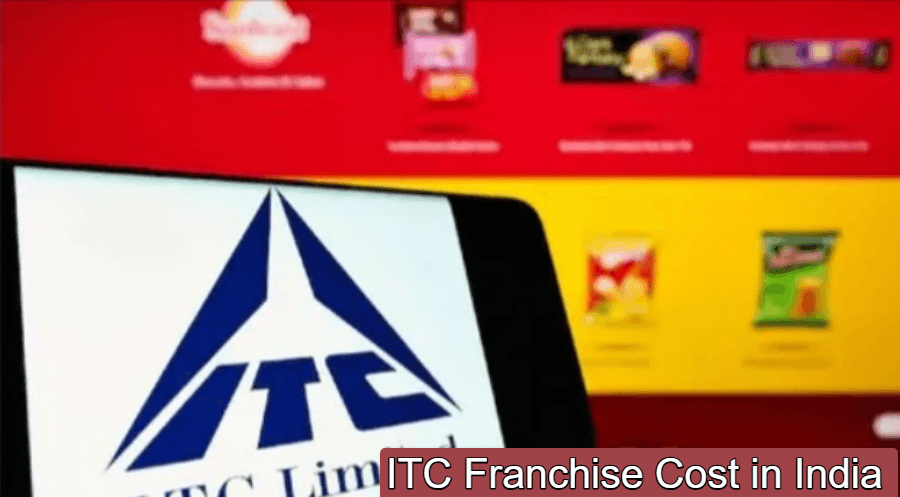
ITC is among India’s biggest and most diverse corporations. Its businesses comprise FMCG (Aashirvaad, Sunfeast, Bingo! ) cigarettes, cigarettes, personal care stationery, agribusiness, as well as hospitality (ITC Hotels). When people ask about an “ITC franchise,” they usually mean one of three things: FMCG distributorship/stockist, retail/modern-trade tie-ups selling ITC brands, or hotel management / franchise/management contracts with ITC Hotels. Each of these options has distinct cost, expectations and steps. This guide explains the actual costs, franchise and dealership models, the potential ROI, eligibility criteria and a step-by-step process for applying route. (Sources: ITC corporate pages and the most recent writeups on industry.)
What “ITC franchise” do we mean? — The realistic possibilities
- FMCG distributorship/dealership stockist You purchase large quantities of ITC products and then distribute them to retailers; very typical.
- Retail format of the ITC shop-in shops / brand tie-ups — not as common but are often part of current trading agreements, or even cobranded concepts for retail.
- ITC Hotels — management franchise / operator agreement Asset-light expansion through franchising and management contracts is being increased through ITC Hotels. It is a partnership at the corporate level which is distinct in comparison to the traditional FMCG distributorship.
I’ll look at the distributorship and the hotel route separately, as the investment scales vary greatly.
Cost of investment / franchise — ranges that are realistic
- FMCG distribution or retail franchise (typical small/medium-sized investor)
- Estimated initial investment (retail/mini-stockist): Rs5-15 lakh — covers deposit, initial stock, small godown, first-mile distribution expenses. Numerous franchise portals and guides to distributors have this information.
- Wholesalers / larger territories Stockist: Rs15-50 lakhplus depending on the size of the territory and needs for inventory (metro and district).
- ITC Hotels — management agreement / franchise
- ITC Hotels is pursuing asset-light expansion through franchise and management agreements and plans to grow rapidly. the capital requirements are huge (hotel cost of development is driven by land and construction + FF&E). Expect the range of Rs50 lakh to several millions for smaller projects with branded brands and several hundred or hundreds of crores for luxury hotels that offer full-service (depending on the agreement and operator vs owner model). This is a corporate partnership, not a neighborhood franchise.
Notice: Many online “ITC franchise” listings blend and match these numbers Always verify which business model the listing refers to prior to relying on the number.
Franchise Model and What ITC provides
- FMCG route: ITC appoints distributors/stockists based on geography, retail density and business case. Distributors buy inventory, handle credit to retailers and manage last-mile distribution. Support typically comprises brands and trade terms that are marginal promotional materials, marketing assistance.
- Hotel method: ITC Hotels signs management agreements (ITC manages hotels on behalf of owners) or franchise or brand licensing agreements where the owner/developer invests in the property, and ITC offers branding, systems, marketing and training. This is an asset-light growth strategy that many hotel chains employ.
Estimating ROI — What to Expect
FMCG distributorship
- Margins: Distributor margins are moderate and driven by volume. Profitability is contingent on the trade rates, SKU mix, credit management, and efficiency of operations. A well-run district stockist will earn steady annual profits; repayment on an investment of Rs10-20L could take three to five years in territories that are high-speed.
ITC Hotels / hospitality
- The ROI of HTML0 is long-term, asset-heavy. Returns are driven by ARR (average room rate) and occupancy. F&B yields, and revenue from events/hospitality. Management contracts transfer CAPEX onto the property owner. ITC earns fees as well as a brand premium. Investors must model multiple-year cash flows and anticipate multiple-year payback periods based on the the project’s size.
The key drivers of Return on Investment: location, inventory/stock turns (FMCG) and pricing power operating leverage, other revenue streams (modern catering, retail and hospitality, F&B and loyalty monetisation).
Eligibility & Documents (Typical)
FMCG distributors / stockists
- Evidence that a business is operating (GST registration) PAN, Bank statements local trade references.
- Storage and working capital that is adequate, as well as facility for storage (godown size varies based on the location).
- Experience in sales or a distribution network is a benefit.
ITC Hotels partner
- Hotel project owner/developer who has necessary capital, land and permits as well as corporate governance and audited financials; will to conform to ITC’s brand image and operational standards.
Step-by-step instructions on how to apply
- Choose the best option -Choose an FMCG Distributor or Hotel Partner.
- Explore and choose a region as well as a project – for FMCG maps, determine retail density and for hotels, determine the location and determine feasibility.
- Contact ITC Use the corporate contact page of ITC for inquiries about FMCG distribution or FMCG, and ITC Hotels’ “Partner with us” form to inquire about hospitality inquiries. (Official contact channels).
- Prepare documents and business plans including financials PAN, GST, investment proposal, website plan (hotels) or godowns/vehicles (distributors).
- Submit the application and go through the selection discussions and site audit (if necessary) commercial terms as well as credit checks.
- Sign agreements and onboarding -training and supply chain integration launch.
Final tips to consider before you make a mistake
- Define the exact ITC business you are partnering with (FMCG and hotels). Contract terms and numbers are different entirely.
- Request comparable P&Ls Request a sample performances for your territory as well as hotel feasibility reports.
- Take legal and financial guidance before you sign.
- Work capital plan (FMCG) along with the regulatory requirements (hotels).